

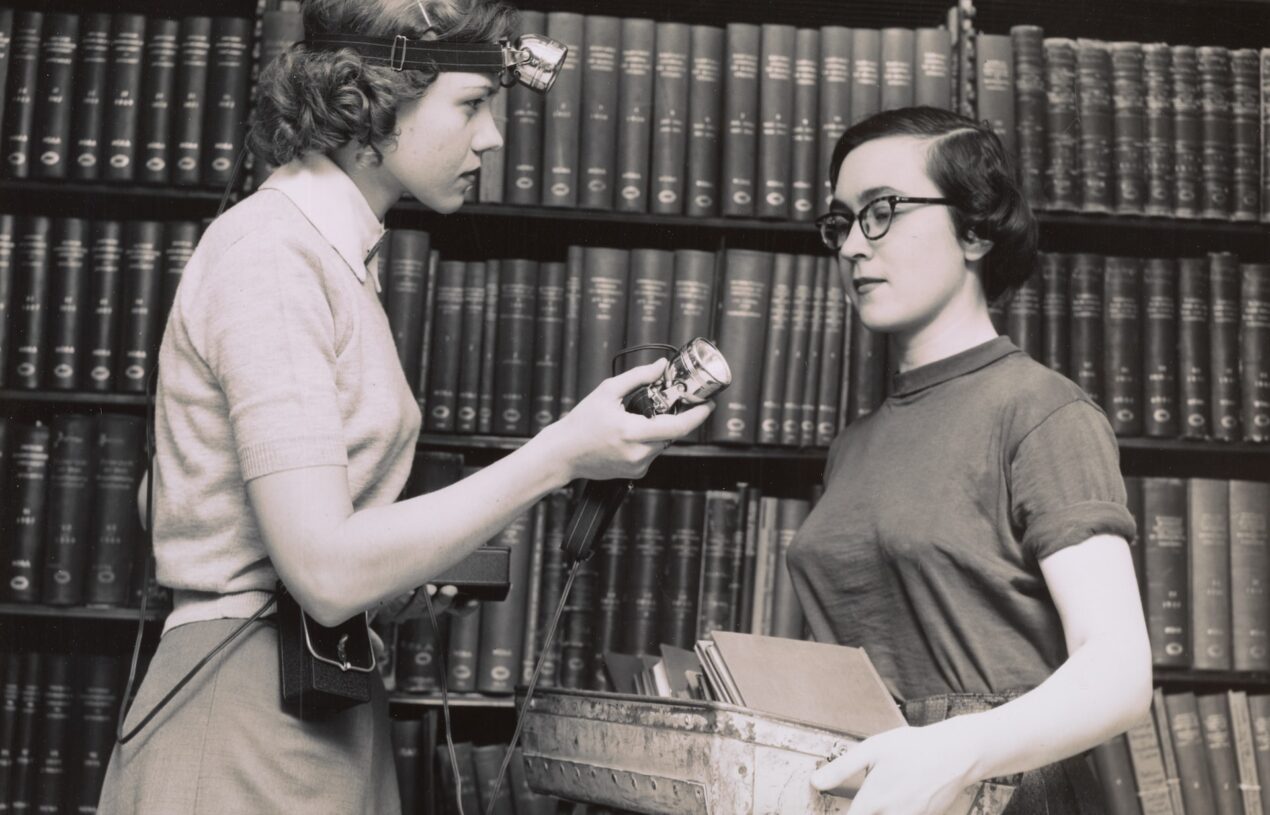
Because many of us were born in a society with rights, we tended to see women’s day as a moment to celebrate femininity and gender.
Yet, historically, women’s day is a day with a very different connotation. Women have experienced various abuses throughout history, which is why different feminist social movements for women’s rights were born. All the social movements led to the transformation of March 8 into a world women’s holiday, in which her rights are celebrated: the right to work, the right to life, the right to vote, reproductive rights, etc.
From slavery to Women’s Day
In the United States of America, women were treated differently from those in Europe. The main reason for this difference in behavior is that between the 16th and 19th centuries, the USA fought to enslave peoples, enslaved indigenous peoples, and bought slaves from South America.
Europe’s tangents with slavery were recorded in the same period (16th-19th century), in the former Portuguese Empire, the former British Empire, the French colonial Empire, and the Spanish Empire.
The attitude of these people towards slaves had nothing to do with human rights, although in Europe they wanted to call and treat slaves a little better than in the USA.
The big problem is that women in the US were much more abused than men given slavery. The first manifestation in the USA of women regarding their rights took place in 1848 when at a convention regarding slavery women did not have the right to speak.
In Europe, social movements have been manifested since 1789 when there were revolutions regarding gender inequality. Then, between the years 1848 and 1880, the feminist movements were born, which manifested until the beginning of the 1960s, when they gained momentum.
In 1960, the feminist movements became more and more intense since women had more access to education. However, it is important to mention that both women and men participated in the feminist movements. The men wanted their mothers, daughters, and wives to be respected, to live in a safe society, and have the right to work and express themselves without being burned or beaten to death.
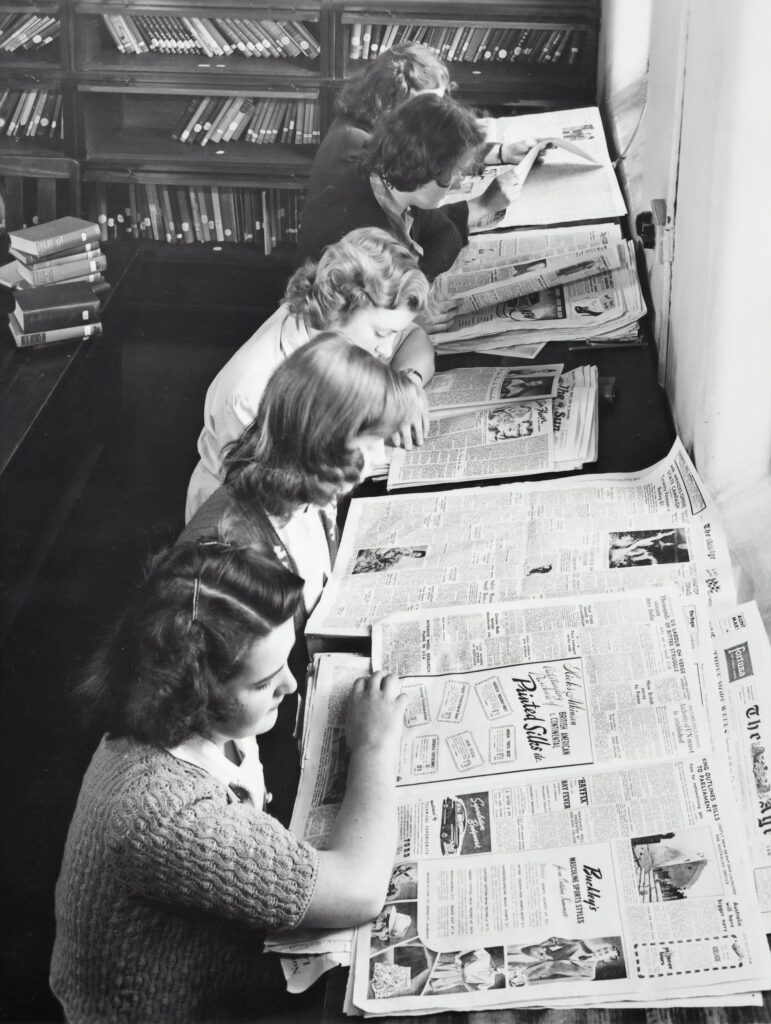
Over time, education became more and more accessible to women and allowed them to inform themselves and read the book “The Second Gender” written by Simonne de Beauvoir. This book, considered a “bible of feminism”, starts from Sartre’s work “Being and nothingness”, which discusses the existential principles of contingency and freedom. The book written by Beauvoir supports the idea that “you are not born a woman, you become”, a statement that explains the importance of education in the formation of the sexes.
The 70s – 80s in Europe
It happens that a large part of society members treat the elderly with disrespect. We must understand, however, that these people are the ones who sculpted the world in which we live. Yes, our grandmothers and great-grandmothers fought for our rights by educating us, our brothers, fathers, and husbands, so that today we, women, can work side by side with men, vote, so can have our say, and lead a country.
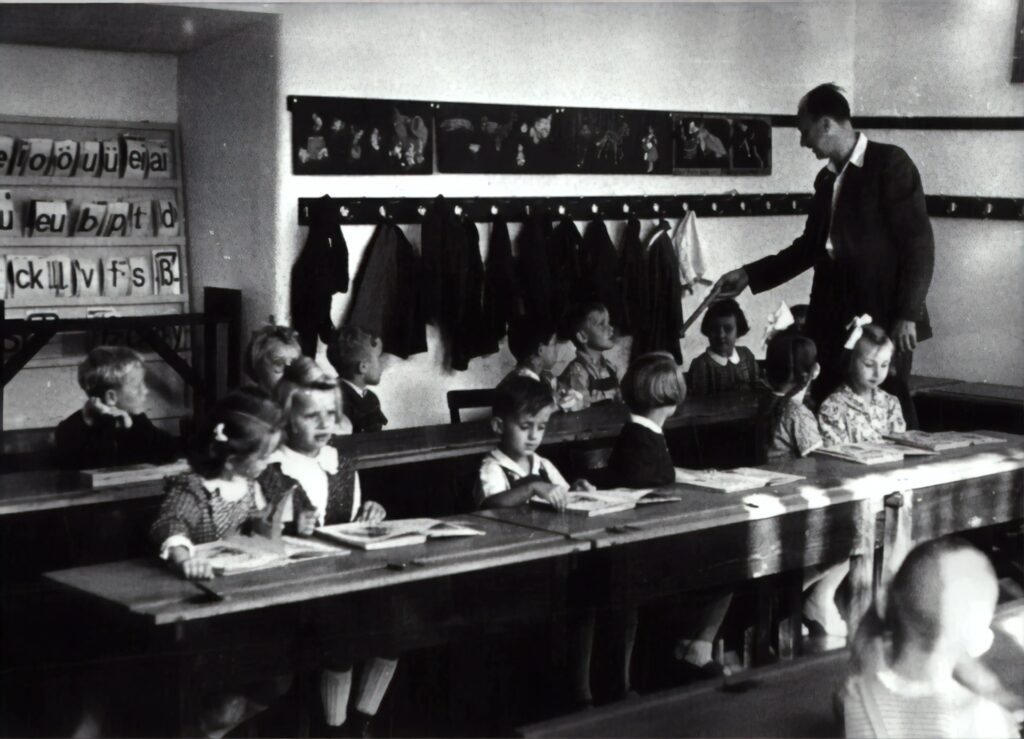
In the 70′ – 80′ in Europe, the biggest social movements took place for the freedom of women to emancipate in the cultural and material field.
Conclusions
Women’s Day is a world holiday whose purpose is to remind women and all members of society of the path that women had to take in order to have the rights they have today.
Congratulations to all women on this holiday, and let’s not forget: “we are not born women, we became them!”. Let’s encourage and help each other, respect each other, and not forget the sacrifices made by other women for the rights we have today.

Sources:
United Nations, 2023. International Women’s Day 8 March.
Briatte Anne-Laure, 2020. Feminisms and Feminist Movements in Europe. Available at: ehne.fr/en/encyclopedia/themes/gender-and-europe/feminisms-and-feminist-movements/feminisms-and-feminist-movements-in-europe