

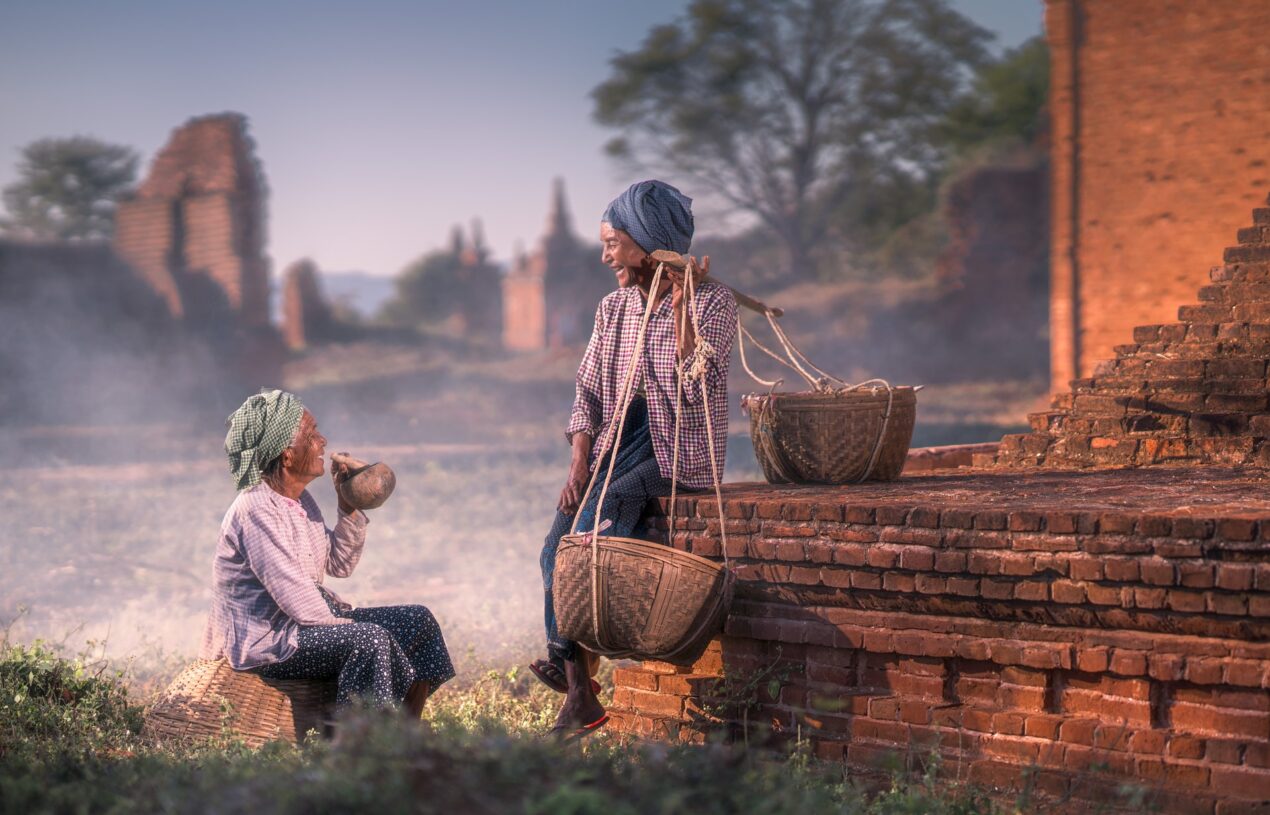
Our knowledge of everyday life has led us to accept that diseases in the elderly are normal, but scientists tell us that it is not necessary to go through all the health problems in old age. This has been shown to us many times by people who have had an easy old age without too many problems, compared to others who have faced a lot of diseases.
What makes us different?
Once the human body has reached maturity, it slowly begins to go through a process of physical degradation. Muscle mass decreases significantly, bone mass as well, the immune system no longer reacts properly, and the skin and veins lose their elasticity, and so on.
The process of physical degradation of our body is unavoidable; however we can reduce the severity of the problems.
This makes us different! The way we take care of ourselves.
MUSCLE SYSTEM
I think many of us recognize ourselves in the new image of a mature man: the man sitting in front of the TV, in front of the computer, the man sitting at the table, the man sitting in the car. The new lifestyle brought by the new economic and commercial trends encourages us a comfortable lifestyle in which we are almost sitting. This affects the level of our physical activity, which actually is needed for our body to maintain muscle mass.
Now, you don’t have to be a scientist to know that muscle mass decreases in everybody, in young people too, if we have a sedentary lifestyle. However, young people do not suffer so much from lack of muscle mass as the old people, because they have a healthy body, healthy bone system, good joints, etc. In the elderly, however, the muscular system is absolutely necessary to develop in order to help the skeletal system and the whole body to move.
Then, movement is also needed to help the blood flow through the body, to nourish all the cells in the body and keep them healthy. In the absence of movement, the cells in which the supply is not made are destroyed because they lose energy and stop working.
So the first thing to remember is: to do physical activity every day.
BONE SYSTEM
Our bone system regularly loses density starting with the age of 25 – 30. Significant changes have been observed since the age of 40. Now, the loss of bone density depends on the genetic characteristics we have. However, as the American Academy of Orthopedics argues, our lifestyle, diet, and exercise are key factors in triggering the process of bone loss.
So, exercises of any kind, aerobics, yoga, dance, cardio, running, weight training, any movement helps to prevent bone loss.
DIET, BONES AND PSYCHOLOGY

Diet is one of the most important factors when it comes to bones. Whether it’s young people or the elderly, we need foods that contain calcium and vitamin D, which helps to absorb calcium. Vitamin D is found in the form of foods in fish (tuna, salmon, mackerel, and sardines), beef liver, certain types of cheese and egg yolks. But the easiest way to provide our vitamin D needs is the sun.
Our body is able to produce vitamin D if it is in direct contact with the sun. This process involves turning cholesterol into vitamin D once ultraviolet rays hit our skin. However, we must also keep in mind that UV rays can also be harmful. They have the ability to pass through the top layer of the skin and destroy anything like the DNA in certain cells, which is why people with excessive sun exposure have a very high risk of developing skin cancer.
To get the necessary vitamin D, specialists recommend that we stay in the sun for about 13 minutes 2-3 times a week for our body to create enough vitamin D.
! Don’t forget to eat foods that contain cholesterol, otherwise vitamin D will not form. A diet low in fat and cholesterol will cause problems with DNA replication and cell division.
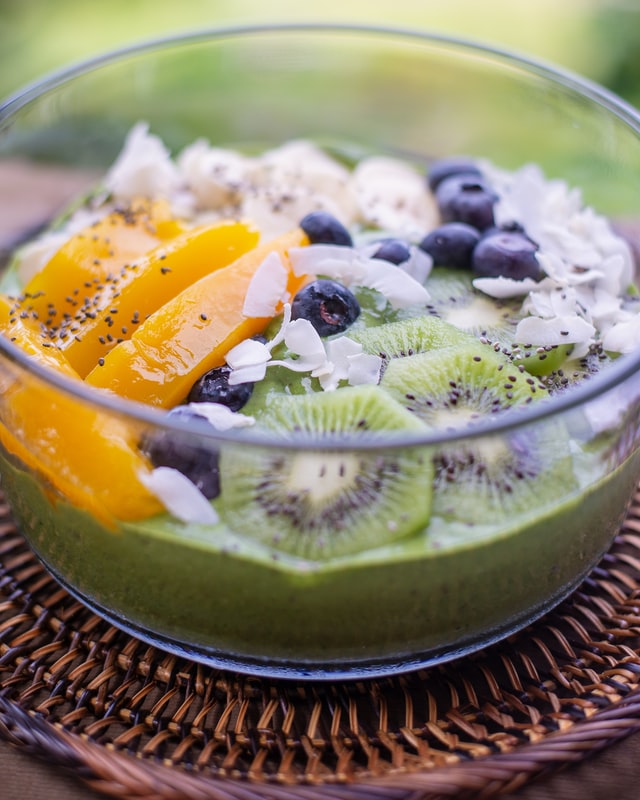
Vitamin D is strictly necessary for bone health, but also for the psychological health. Psychologists confirm that the new lifestyle that attracts young people to computers in dark rooms and sitting in the house all day is the main cause of vitamin D deficiency in young people and the onset of mental illness in them. Vitamin D deficiency is associated with mental illness such as depression, seasonal psychological problems and schizophrenia in adults.
So, if you are old, or if you take care of the elderly, be sure to take them out at least 2-3 times a week in the sun, otherwise their psychological state will worsen.

IMMUNE SYSTEM
Our immune system in medicinal terms is a set of organs, cells and proteins that work together. It is made up of a set of substances that circulate through our body and fight against bacteria, viruses, fungi and toxins that reach our body. So how do we keep it active and efficient?
As we get older, our immune system will work harder because it is not independent, but depends on the health of the whole body. However, exercise and diet are considered to be the key in keeping the immune system active. Regular exercise will help our lymph to circulate through the body and fight against all blockages and infections, regularly cleansing the body of toxins, bacteria and impurities resulting from processes in the body.
Vitamins needed by the immune system

In order to keep our immune system healthy, we must also take care of a balanced diet. Specialists tell us that we must be careful to consume the required amount of vitamins B, C, D and zinc-rich foods daily.
Vitamin B contributes to the process of cell division, increasing the red blood cells, increasing our energy levels, improving vision, proper brain function, good digestion, appetite, proper neuronal function, production of hormones and cholesterol in the body, cardiovascular health, muscular health.
Foods that contain the Vitamin B complex: milk, cheese, eggs, liver and kidneys, chicken and beef, fish (tuna, salmon and mackerel), shellfish, dark greens such as spinach and kale, high-fiber cereals, beans and chickpeas, nuts and seeds, fruits (citrus, bananas and watermelon / watermelon), soy products, oat germs, yeast from the diet.
Vitamin B supplements are recommended for the elderly (if they have a serious state of health or cannot have a balanced diet), pregnant women, people with chronic diseases and those on a vegan and vegetarian diet).
Vitamin C: is a powerful antioxidant and is a key element for the immune system. It contributes to the synthesis of collagen, the formation of connective tissue, the health of bones, teeth and blood vessels, and helps the absorption of iron in the blood.
Vitamin C is soluble in water, for this reason our body cannot make vitamin C deposits, so the excess is eliminated in the urine. Therefore, we will have to take care every day to ensure the consumption of vitamin C.
Foods that contain Vitamin C: parsley, thyme, cabbage, kiwi, broccoli, potatoes, citrus fruits, strawberries, etc.
The required daily amount: 1 kiwi and a half, also an orange and a half (a grapefruit or 2 tangerines), a cup of strawberries or 150 g of fruit or a cup of broccoli (about 200 g of broccoli), a cup and a half of kale, 100g parsley or 50g thyme.
Although there are some foods that will help us take our daily dose of vitamin C easily, I advise you not to eat so much parsley or thyme, or any other food, but moderate of all! A little parsley and thyme in a meal, an orange shared in the family, a glass of lemonade, a little mashed potatoes, a handful of strawberries when it’s season.
Zinc: This mineral is necessary because it is in the composition of 300 enzymes in our body. This translates into the importance of zinc in our metabolism, improving the immune system and repairing tissues.
Foods rich in Zinc: red meat, shellfish, vegetables (lentils, beans, peas), seeds (hemp, pumpkin, sesame), nuts (hazelnuts, almonds, cashews, pine nuts), dairy products (cheese, milk, yogurt, whipped milk), eggs, whole grains (quinoa, oats, rice), vegetables (potatoes, green peas), dark chocolate.
Conclusions:
We cannot expect easy old age if we do not take care of ourselves, if we don’t have a balanced diet, if we do not exercise regularly, if we do not take enough time to sunbathe, if we avoid too much of some foods and if we abuse others. These things are valid not only for old people, but also for young people.
Lack of exercise will not help body development (children who play sports in most cases will have more developed bodies than those who do not); poor diet will leave its mark on the skin in the first place; Insufficiency of certain foods will result in various mental problems from an early age and physical problems (nails, skin, hair) etc.
For a healthy body:
- exercise at least 30 minutes a day, movements that require all your muscles;
- follow a healthy and varied diet;
- and go out. It is not only the sun that influences our mental health but also the simple outing in nature, the observation of new ‘banal’ things.
Sources:
DerSarkissian Carol. (2020). Top foods forcalcium and vitamin D. WebMD, https://www.webmd.com/food-recipes/guide/calcium-vitamin-d-foods.
Gracious Barbara et al. (2012). Vitamin D deficiency and psychotic features in mentally ill adolescents: A cross-sectional study. BMC Psychiatry, https://bmcpsychiatry.biomedcentral.com/articles/10.1186/1471-244X-12-38.
Hill Caroline. (2018). 20 Foods That Are High in Vitamin C. healthline, https://www.healthline.com/nutrition/vitamin-c-foods.
Mora Rodrigo, Iwata Makoto, von Andrian Ulrich H. (2008). Vitamin effects on the immune system: vitamins A and D take centre stage. Nat Rev Immunol, 8(9), 685-698.
Olsen Natalie. (2019). Why Is Vitamin B Complex Important, and Where Do I Get It? healthline, https://www.healthline.com/health/food-nutrition/vitamin-b-complex.
OrthoInfo. (2021). Healthy Bones at Every Age. OrthoInfo, https://orthoinfo.aaos.org/en/staying-healthy/healthy-bones-at-every-age/.
Raman Ryan. (2018). How to safely get your vitamin D from sunlight. healthline, https://www.healthline.com/nutrition/vitamin-d-from-sun.
West Helen. (2018). The 10 Best Foods That Are High in Zinc. healthline, https://www.healthline.com/nutrition/best-foods-high-in-zinc.
Zimmermann Kim Ann. (2018). Lymphatic System: Facts, Functions & Diseases. Live science, https://www.livescience.com/26983-lymphatic-system.html.