

Climate change is a subject of contemporary debate, especially in the last 10 years. In Europe, serious discussions about this have been initiated only in 2020 with the signing of the European Climate Pact, which established serious actions for Europe until 2030, including the reduction of greenhouse gases. In 2020, the Union aimed to reduce greenhouse gas emissions by at least 55% by 2030.
In addition to this pact, Europe also laid the foundations for European climate legislation that established long-term goals, the central goal being “zero greenhouse gas emissions” by 2050.
Climate change in Europe
Some of the climate phenomena that made Europeans understand the seriousness of climate change were: extreme drought in certain areas, floods in others, the decrease in water levels in rivers and lakes, fires in different parts of Europe, tornadoes, and so on.
The case of the Netherlands
In the Netherlands, which is also called the “land of water”, the drought of 2022 has affected the country so much that at the beginning of August it officially declared a lack of water. In response, the Dutch government took various measures to preserve water resources, including the establishment of limits in transport and agriculture.
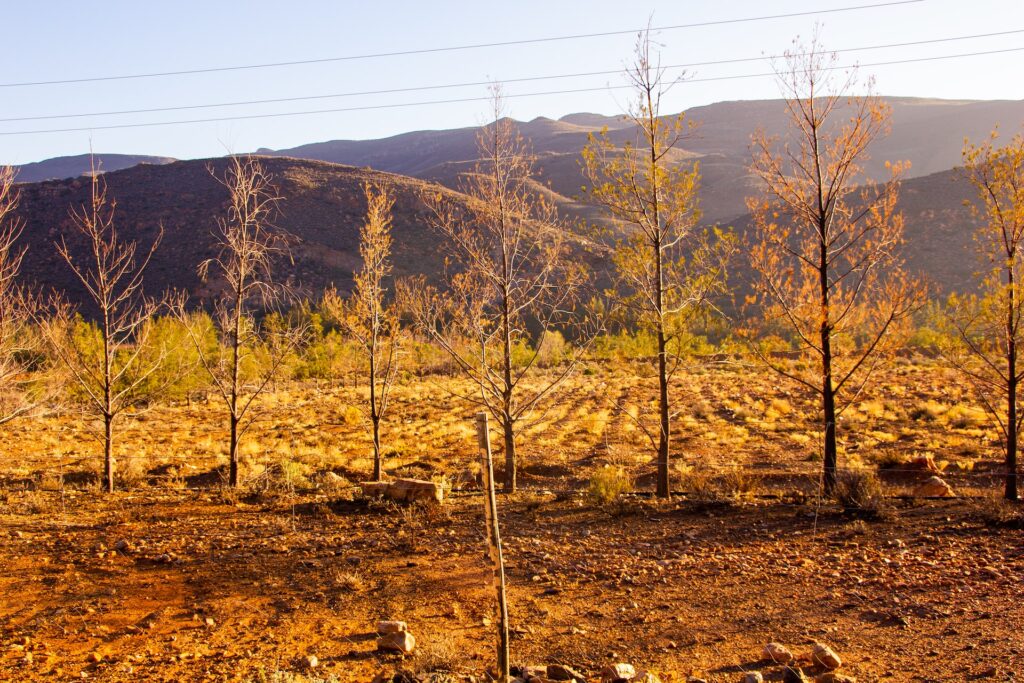
Different from drought, the Netherlands also faced a phenomenon very new to Europe, namely a tornado. In June 2022, a tornado hit the town of Zierikzee. Although described by meteorologists as a small tornado compared to those in the USA and Japan, it caused significant damage affecting 20 houses, killing one person, and injuring 10 others.
The case of France
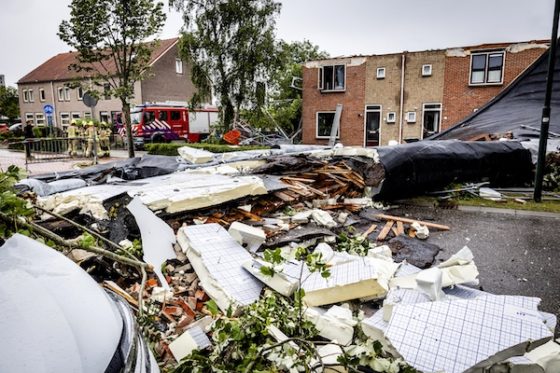
Like many countries in Europe, France is strongly affected by drought. The rain rate decreased by 25%. The lack of precipitation is also felt in winter, where the snow does not reach the same levels as before, and even more, in many areas winter has become a kind of late autumn. Starting from the drought consequences, France imposed restrictions on water consumption in 15 administrative departments and announced the creation of a fund for the Third Agricultural Revolution. This fund is to be doubled up to 40 million euros to help farmers.
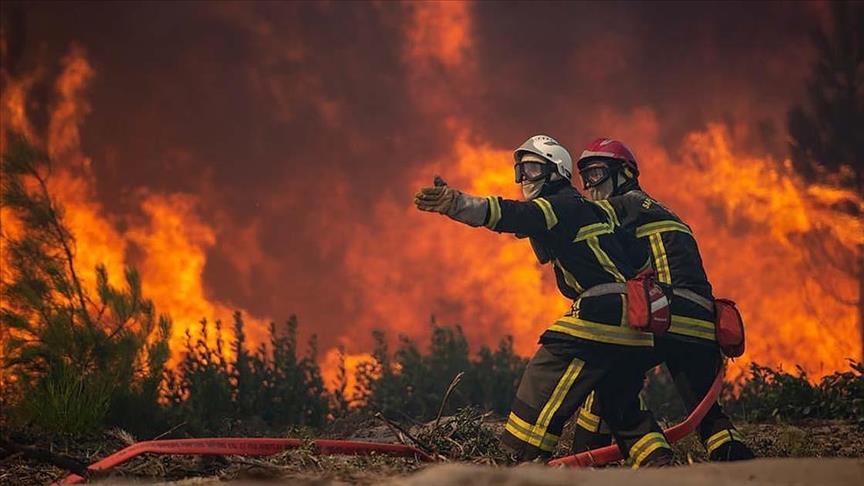
In addition to drought, from July 24, 2022, France faced massive fires in the southern area. Only in Corsica were located 3 fires with an area of 730 hectares. The authorities claim that on July 25 burned more than 3000 hectares.
The old dilemma: why electric cars?
Electricity production in the world is not yet declared green, in the sense of producing energy without pollution. For this reason, many people do not understand the meaning of switching to electric cars as long as fuel is burned somewhere to produce energy.
At the moment we have several types of power plants:
- thermal power plants (they obtain energy from burning fossil fuels: the burning of forest wood, agricultural residues, from burning treated waste, etc.);
- nuclear power plants (they generate energy through the fission reaction of uranium atoms);
- wind power plant (energy is obtained by the action of the wind on the wind turbines);
- solar power plants (electricity is obtained with the help of solar panels, which with the help of photovoltaic cells transform solar energy into electricity).
- hydroelectric power plants (electricity is obtained from the energy of the water flow);
- tidal power plants (energy is obtained from low and high tide phenomena in which the waves move the turbines);
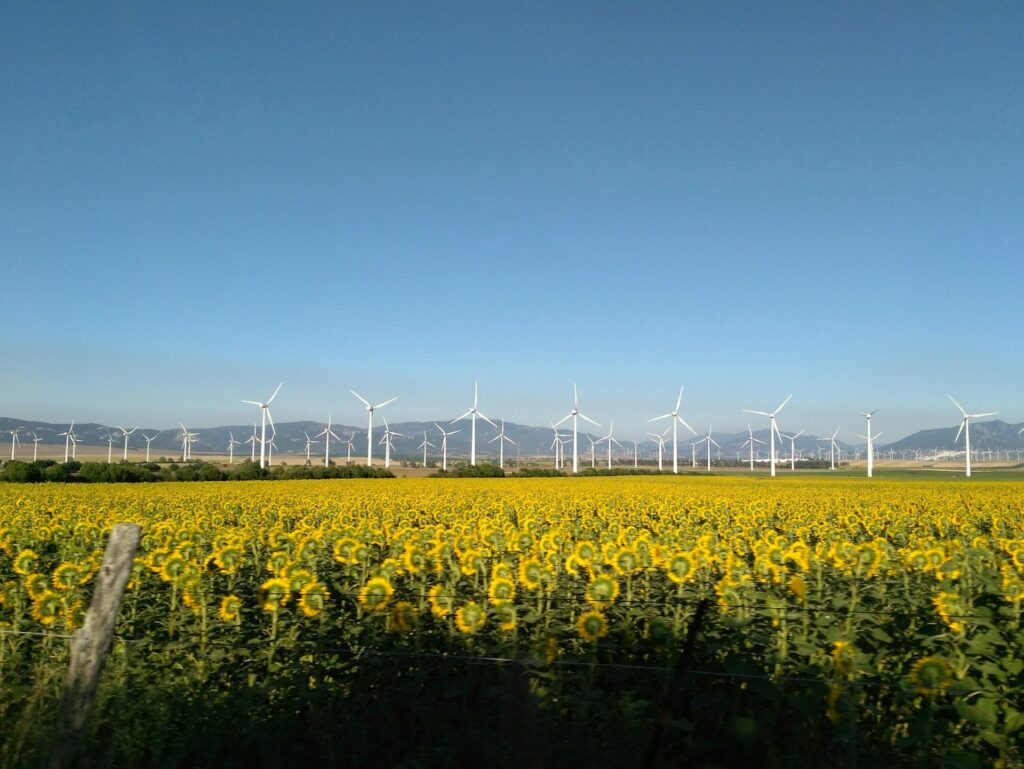
Although we have so many types of power plants, in 2019 84% of global energy production came from burning fossil fuels.
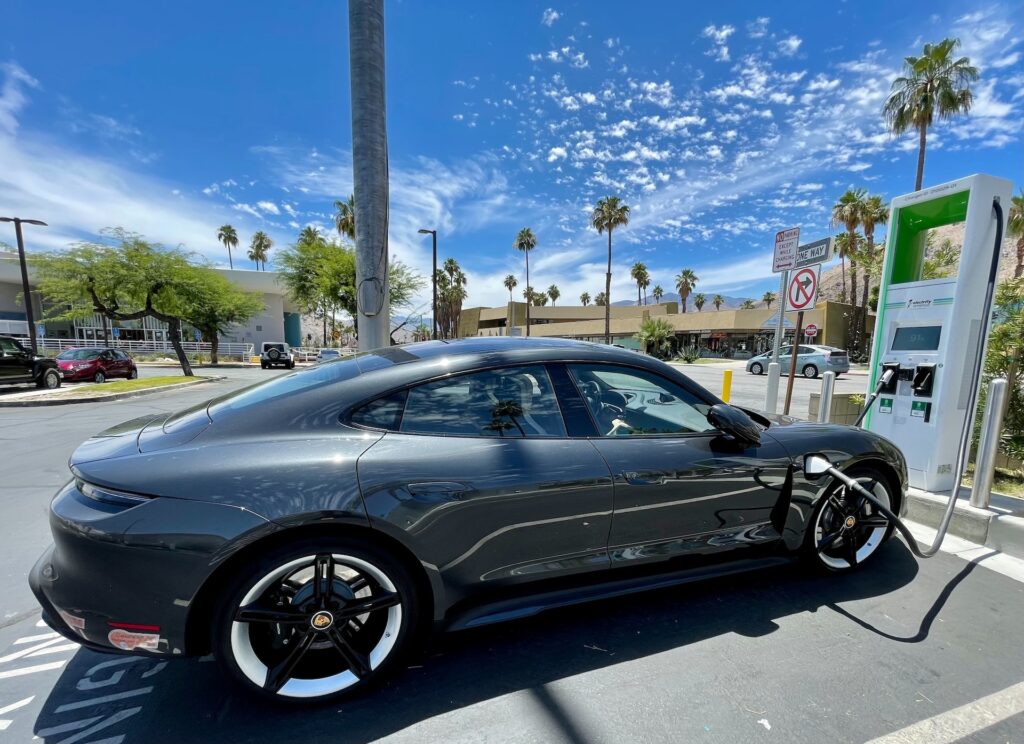
But when we talk about the advantages of using electric cars, in the context where 84% of electricity production still comes from the burning of fossil fuels, we must consider:
– a cleaner air in the communities (in the case of power plants, the filters can be improved);
– the conservation of heat, which in the case of cars is usually eliminated in the atmosphere as a result of the combustion process (in the case of power plants all energy is stored);
– lack of noise pollution, etc.
Conclusions:
We are by no means an environmentally friendly society, but because we are part of the Earth and not just passing tourists, we understood the impact of our actions, and we started to act.
In a future article, we will discuss the measures taken by states from different corners of the world to combat global warming.
Sources:
European Commission, 2022. European Climate Law. In Comisia Europeana, available at: https://ec.europa.eu/clima/eu-action/european-green-deal/european-climate-law_en
European Commission, 2022. Politicile UE in domeniul climei si Pactul verde european. In Comisia Europeana, Disponibil la: https://ec.europa.eu/clima/eu-action/european-green-deal_ro
France 24, 2022. Dutch declare a shortage in ‘land of water’, in France 24, Disponibil la: https://www.france24.com/en/live-news/20220803-dutch-declare-shortage-in-land-of-water
Euronews, 2022. Netherlands tornado: one killed and ten injured in extreme weather incident in Zierikzee, in Euronews, Disponibil la: https://www.euronews.com/2022/06/27/netherlands-tornado-one-killed-and-ten-injured-in-extreme-weather-incident-in-zierikzee
France 24, 2022. France’s unprecedented drought shows climate change is ‘spiraling out of control’, in France 24, Disponibil la: https://www.france24.com/en/environment/20220511-france-s-unprecedented-drought-shows-climate-change-is-spiralling-out-of-control
Copernicus, 2022. EMSR214: forest fires in southern France, in European Comission, Disponibil la: https://emergency.copernicus.eu/mapping/list-of-components/EMSR214
German Portillo, 2022. Tipuri de centrale electrice. In Regenerabile Verde, Disponibil la: https://www.renovablesverdes.com/ro/tipos-de-centrales-electricas/
Robert Rapier, 2020. Fossil fuels still supply 84% of world energy- and other eye-openers from BP’s annual review. In Forbes, Disponibil la: https://www.forbes.com/sites/rrapier/2020/06/20/bp-review-new-highs-in-global-energy-consumption-and-carbon-emissions-in-2019/?sh=2c6801b966a1