

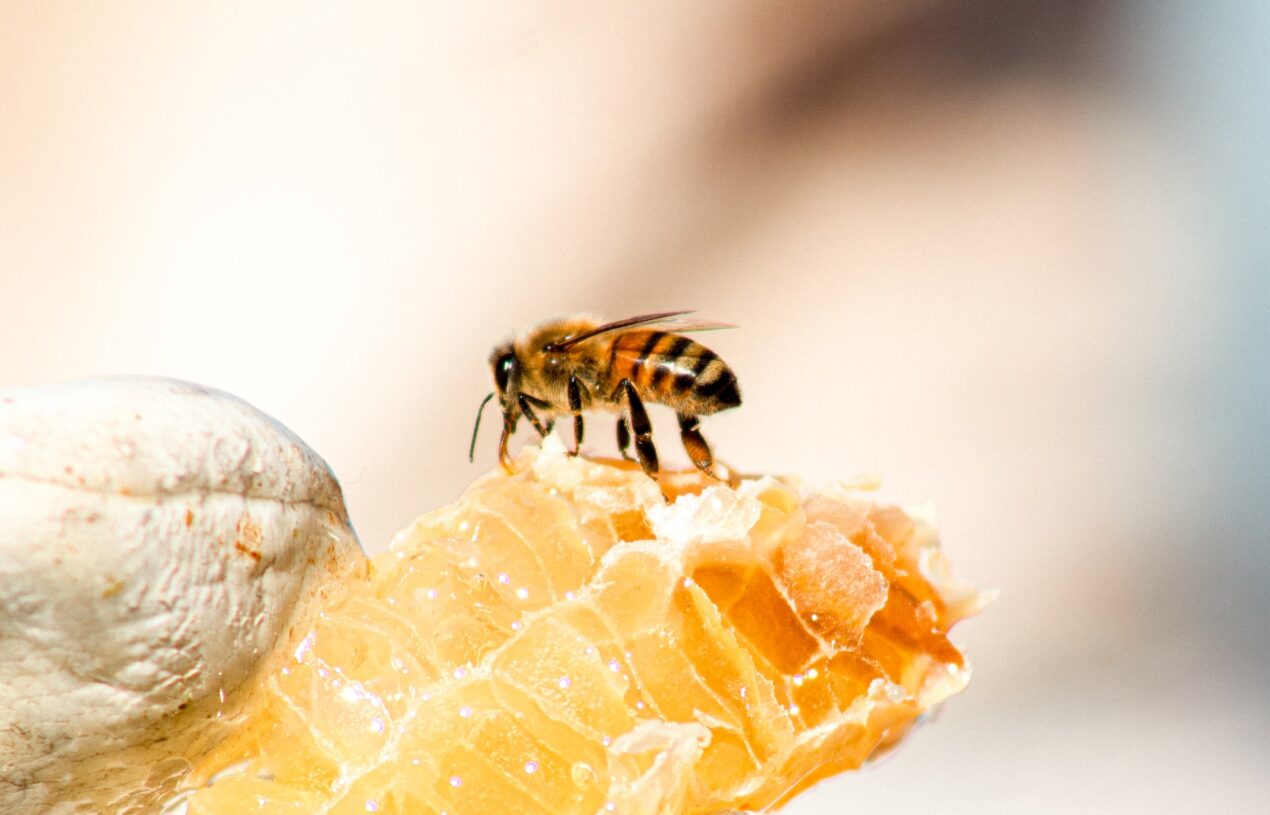
The National Bureau of Statistics of the United States of America presented a report in 2009 on the bee population in the USA: in 1947 the population of bees in the United States was about 6 million; 60 years later, the bee population dropped to 2.4 million bees, meaning a 60% drop.
The problem of disappearing bees and other pollinators is not a new one, nor a regional one. As the European Parliament claimed in 2019, the loss of bee colonies was reported from various parts of the world such as France, Belgium, Germany, Great Britain, Italy, Spain, Holland, Russia, China, and other countries.
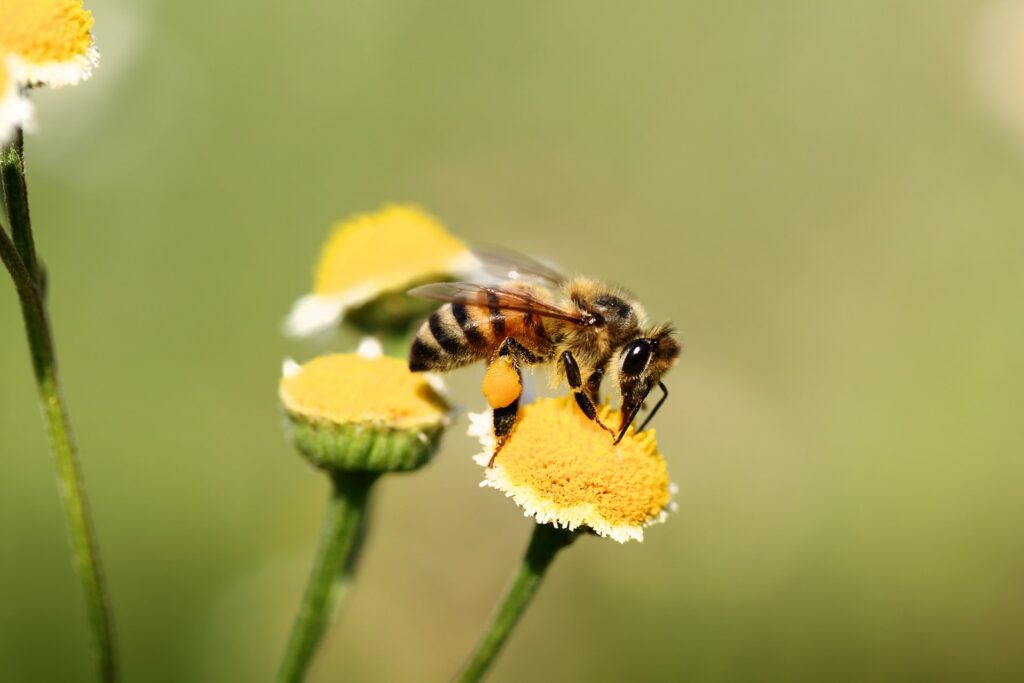
The extinction of pollinators
The disappearance of pollinators attracted the attention of the European authorities only after 2009, after the Treaty of Lisbon came into force and the Union began to function in accordance with the new regulations and rights. As a result, only in 2018 the European Commission introduced the EU Initiative for Pollinators. This initiative has put the issue of disappearing pollinators in front of the member states, and aims to improve knowledge regarding the decline of pollinators and methods of raising social awareness regarding this issue.
Results of the EU initiative for pollinators
In May 2021, the European Union hired insect taxonomists and researchers in citizenship matters with the intention of achieving the initiative’s objectives. Also in May, the Commission published its first report on the results it achieved. The report shows that the European Commission focused on 10 major actions:
- Supporting the monitoring and evaluation of the bee population;
- Supporting research and innovation;
- Facilitating the dissemination of information and access to information;
- Preservation of endangered species and their habitats;
- Improving pollinator habitats on and around farms;
- Improving pollinator habitats in urban areas and wide spaces;
- Reducing the impact of pesticides on pollinators;
- Reducing the impact of foreign species on pollinators;
- Encouraging the business sector and citizens to support the initiative;
- Supporting strategies for pollinators and collaboration at all levels.
Why is the number of pollinators decreasing?
As the European Commission and the US National Bureau of Statistics, the main reason why pollinators are in decline is human action, namely: the expansion of the spaces intended for agriculture (especially the cultivation of cereals and not plants with flowers), urbanization (which is often reduced to the transformation of natural green spaces in controlled green spaces, without native plant species), loss of natural habitats, but especially pesticides and pollutants (herbicides).

Why do we use pesticides?
It all started with global warming, which changed the temperatures all over the world, especially in the last 20 years. What does this mean?
For Europe, this meant milder winters and much warmer summers. This led to the growth of plant pests, their migration, and the development of other species at an increased rate. As a result, instead of slowing down the development of fungi, bacteria, and plant-damaging insects in the winter, we gave them the possibility to develop continuously.
Starting from the countless plant pests that affected the fruits every year, new types of pesticides adapted to each class of pests were developed. This is how many manufacturers in the agriculture industry chose to use pesticides to ensure their harvest. But this impacted seriously the pollinators too.

The impact of pesticides on bees and other pollinators
Recent research shows that pesticides seriously affect the nervous system of bees and other pollinators. This makes it difficult to fly in a straight line and coordinate; as a result, their pollination and nutrition capacity is affected.
Then, pesticides, such as sulfoxaflor and the neonicotinoid imidacloprid, affect the parts of the brain responsible for coordinating movement, therefore the insects end up having neurological problems such as ataxia.
The economic impact of pollinators decline
Liberalism brought to society another tool for measuring the impact of any factor on everyday life, namely the measurement of the impact on the economy. In this way, to demonstrate the importance of pollinators, the EU calculated the economic impact of pollinator decline. Meaning, if in the EU, 78% of wild plants and 84% of cereal species depend on insects for the production of fruit and seeds and that 4 out of 5 plant species in the EU depend at least partially on pollination by bees and other pollinators, then the economic impact is about 15 billion euros by year.
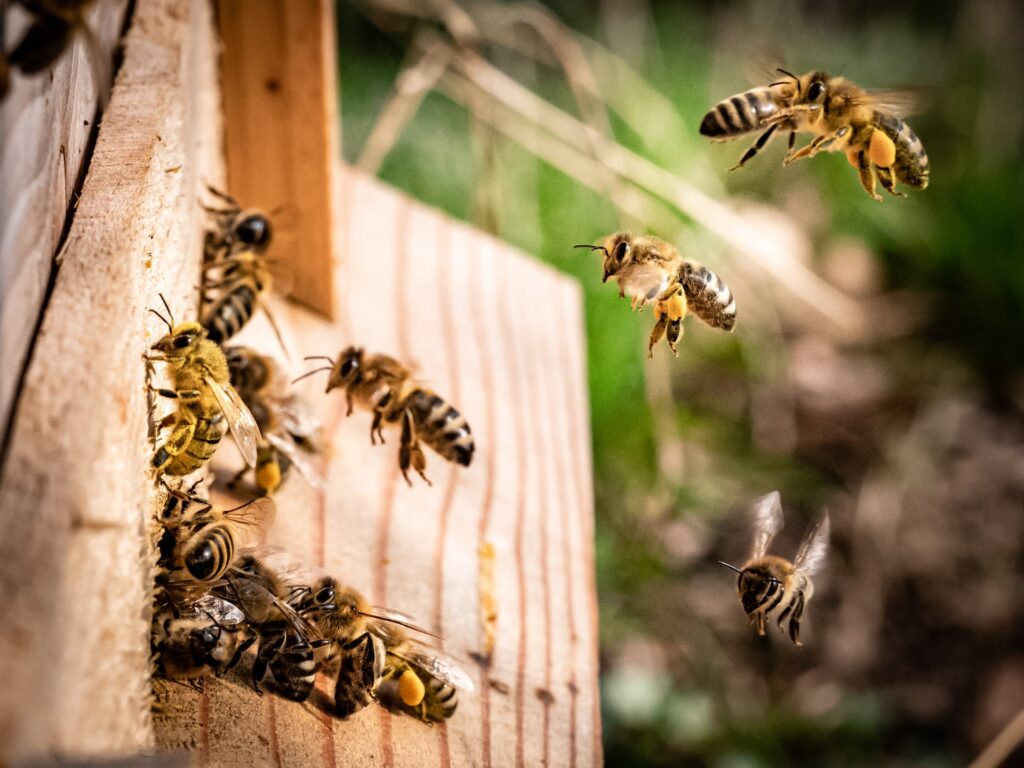
The importance of pollinators
In addition to the economic impact that the European Union invokes with great care, the major importance of pollinators is in areas such as:
– food security;
– biodiversity;
– pharmaceutical industry (especially alternative medicine);
– light industry (many raw materials come from plants: cotton and linen);
– energy industry;
– construction industry (timber).
The problem of pollinators in Asia
If on the European continent the problem of bees disappearance leads rather to modern forms of agriculture and life, then in Asia, especially China, the problem of bees disappearance comes from two major causes:
The first is related to massive pollution with greenhouse gases and pesticides. Many producers prefer the use of chemicals to guarantee annual harvest, even if it means a safe profit for a short period.
The second problem is the introduction of the European bee species in Asia, which led to the decrease in the number of native bees, which are much more easily adaptable to different habitats. The introduction of the European bee in Asia brought also various diseases to the Asian bees, which led to the increase in the use of pesticides. As a result, the Asian bee population has been seriously affected by both diseases and pesticides. Local estimates show that since the introduction of the European bee in the Asian space in the 19th century, the population of Asian bees has decreased by 80%.
The reason for introducing the European bee in Asia and America
In 1622, Europeans brought colonies of European bees to America. They were also introduced in China in the 19th century. The question is: why did the beekeepers of the world prefer European bees to the detriment of local species?
The reasons are the following:
- they produce more honey;
- the European bees can survive with much less food than other bee species; meaning that beekeepers remain with more production.
- the European bees are gentle and easier to work with.
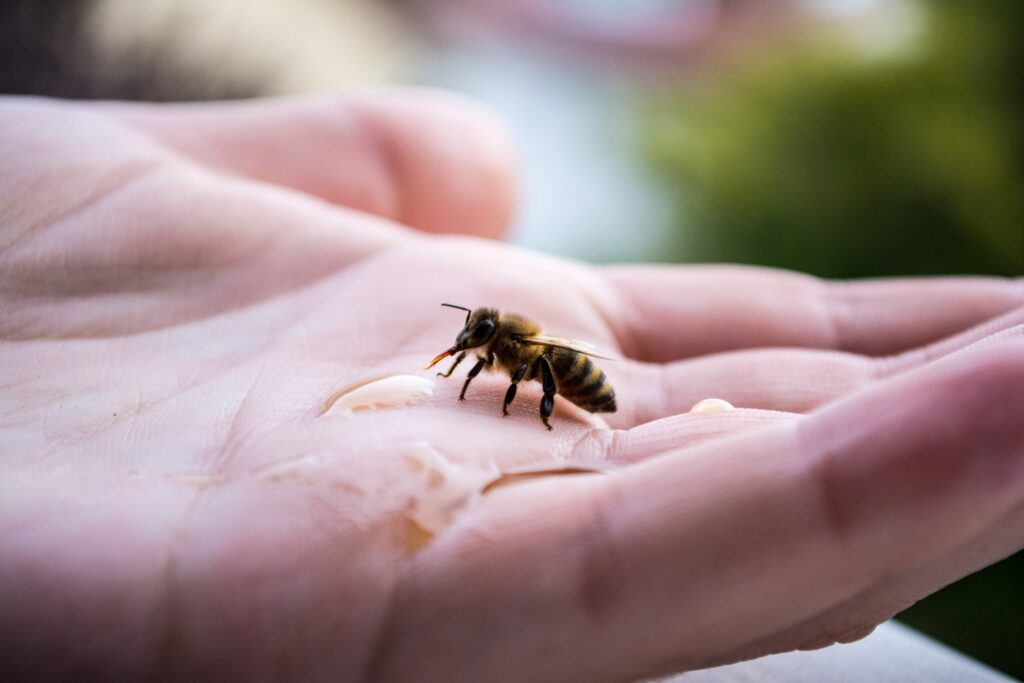
Why we should preserve local pollinators?
The studies show that many beekeepers prefer to work with bee species from Europe- the introduction of insects from other habitats and regions in other regions has a major impact on biodiversity. This translates into:
– competition with local pollinators for floral resources;
– competition for the location space of the honeycombs;
– the introduction of pathogens that can infect local insect species;
– problematic pollination of local plants (some insects are attracted to specific flowers they know);
– reducing the local insect population;
– a major impact on seeds;
Conclusions
Different actions are needed to protect pollinators and help their survival. Among the actions available to us are:
- placing bee water dispensers in different areas;
- supporting local species, and avoiding the introduction of foreign species, be it insects, plants, birds, or animals;
- creating natural habitats compatible with the geographical space;
- growing plants without the use of pesticides and herbicides (for various insects that we want to protect plants from, we can use birds. Chickens, for example, can help when we have an infestation of snails or other insects).
Sources:
European Parliament, 2019. What’s behind the decline in bees and other pollinators? European Parliament. Available at: https://www.europarl.europa.eu/news/en/headlines/society/20191129STO67758/what-s-behind-the-decline-in-bees-and-other-pollinators-infographic
Julia Jacobo, 2019. Nearely 40% decline in honey bee population last winter ‘unusuable’ experts say. In abcNews, Available at: https://abcnews.go.com/US/40-decline-honey-bee-population-winter-unsustainable-experts/story?id=64191609
Mischa Dijkstra, 2022. Modern pesticides damage the brain of the bees so they can’t move in a straight line. In Neuroscience News, Available at: https://neurosciencenews.com/pesticides-bees-brain-21253/
Dave Goulson, 2003. Effects of introduced bees on native ecosystems. In Annual Review of Ecology, Evolution and Systematics, vol.34. Available at: https://www.jstor.org/stable/30033767
Christopher Li, 2019. Chinese honey bees face endangerment. in Planet Bees, Available at: https://www.planetbee.org/planet-bee-blog//the-chinese-honey-bee