
Medicine has specific terms to describe different stages of our body development. One of these terms is cholesterol, which we often associate with fat and something bad. But let’s see what is the matter with fats and with this cholesterol.

Why do we need fats?
As researchers say, we need fats for energy, organ protection, cell division, to keep cholesterol and blood pressure under control, to help us absorb the necessary nutrients, and so on. Yet, the most important is the type of fat we need the most.
The fats we consume are of 2 kinds: saturated and unsaturated.
Saturated fats
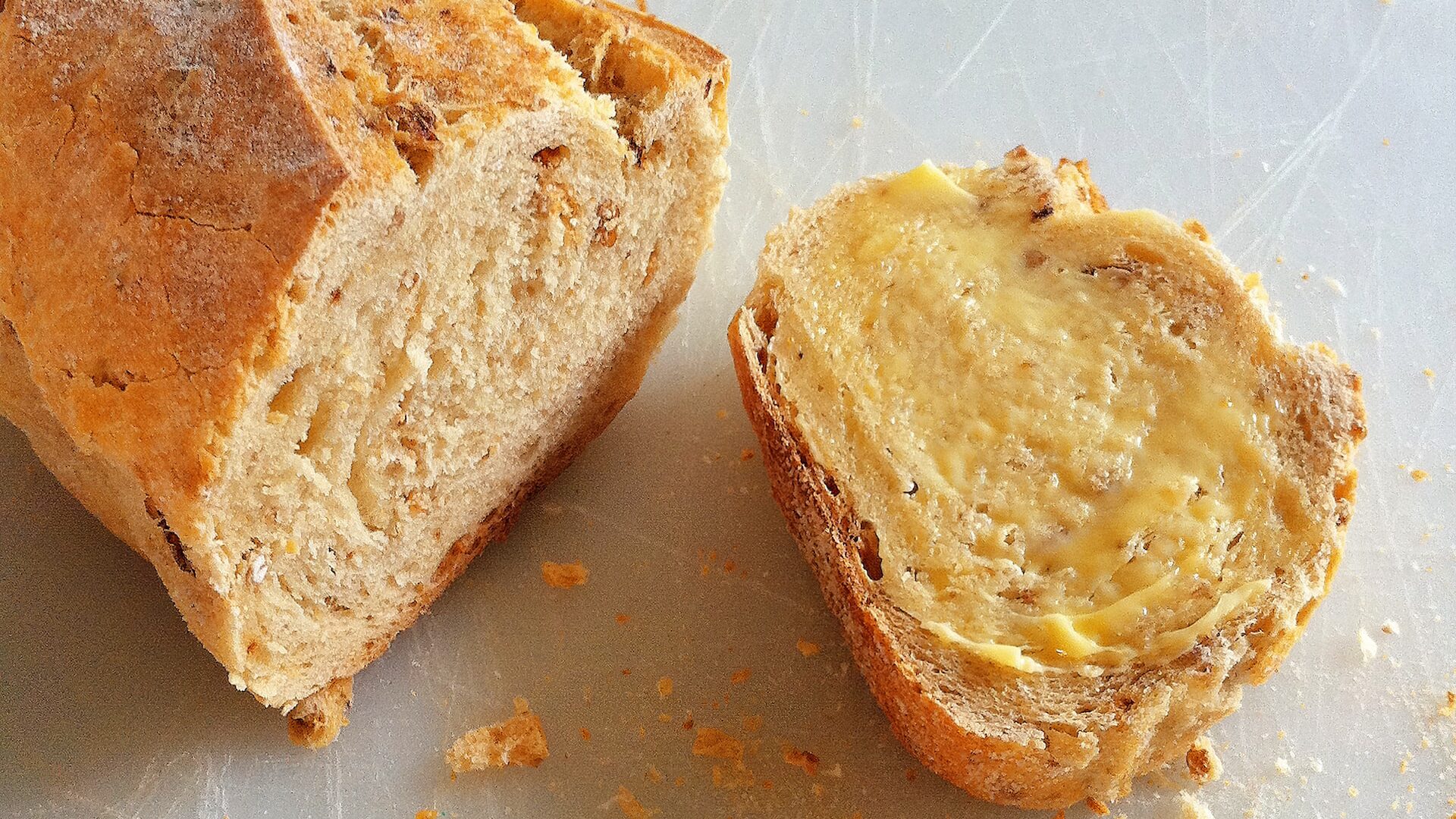
Saturated fats come from animal products such as butter, meat, margarine, cream, and cheese; they are in solid form at room temperature. We also have saturated vegetable fats that we can easily find in processed products. Here we are talking about coconut oil, palm oil, and others.
These fats are usually classified as bad because they are available, they are tasty, and they are usually consumed in much larger quantities than we need.
To be healthy, it is recommended that of the total calories consumed daily, only 10% should come from saturated fats. The excess of these fats leads to heart disease and affects the health of our intestinal microbiome causing inflammation, etc. At a lower level, this type of fat affects the health of cellular mitochondria (cell organs that produce energy), which can cause liver problems.
Equally, studies show that these fats also affect bone health. Saturated fats cause inflammation and destroy chondrocytes (cells responsible for the formation of cartilage), which can lead to osteoarthritis.
The excessive consumption of saturated fats affects brain health, being a determining factor in the development of diseases such as Alzheimer’s. However, it must be taken into account that saturated fats are necessary and should not be eliminated from our diet. They contain lauric and stearic acid, necessary to reduce the level of lipoprotein and respectively to reduce the risk of cardiovascular diseases and to ensure the proper functioning of the brain.
Unsaturated fats
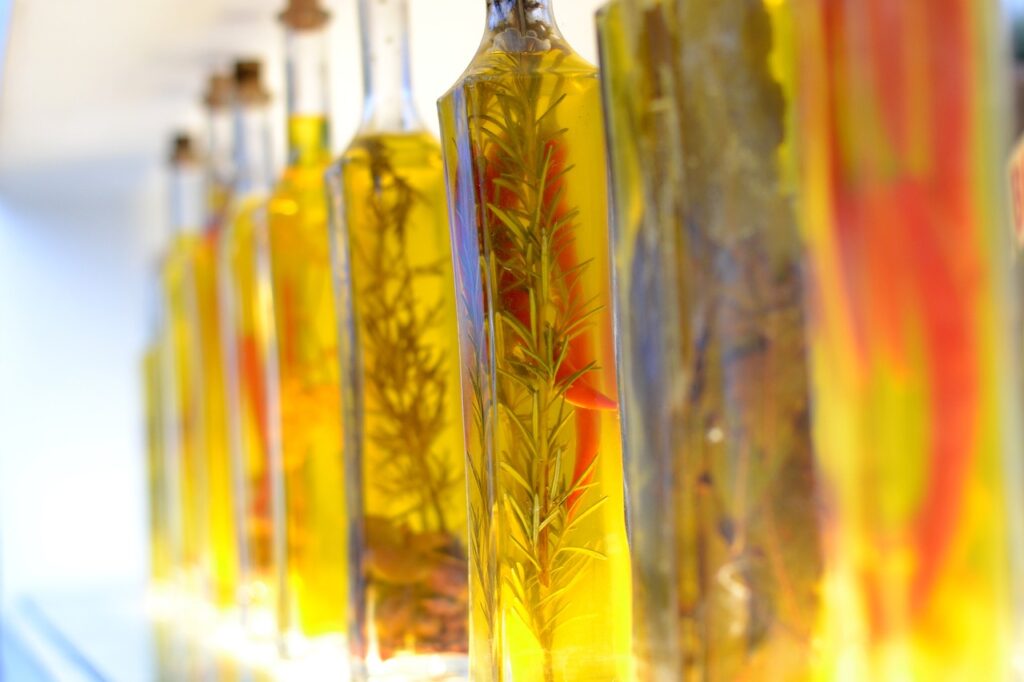
Unsaturated fats are mostly liquid at room temperature and are called good fats. They generally come from vegetable products such as olive, walnut, and canola (rapeseed) oil, avocados, and seeds such as pumpkin, sesame, sunflower, corn, soybean, flaxseed, fish, etc.
If we were to simplify the situation then we would reduce everything to a discussion about the fats that our body needs: Omega 3, 6, and 9.
Of these, Omega-3 fats are the only ones that our body cannot produce, so we must consume them. This means that the other types of fats that can be produced by our body are also found in many of the products we eat and must be monitored. Thus, we must consume more products containing Omega-3 fats, and moderate the consumption of products containing Omega-6 and 9 fats.
What should we do for a balanced diet?
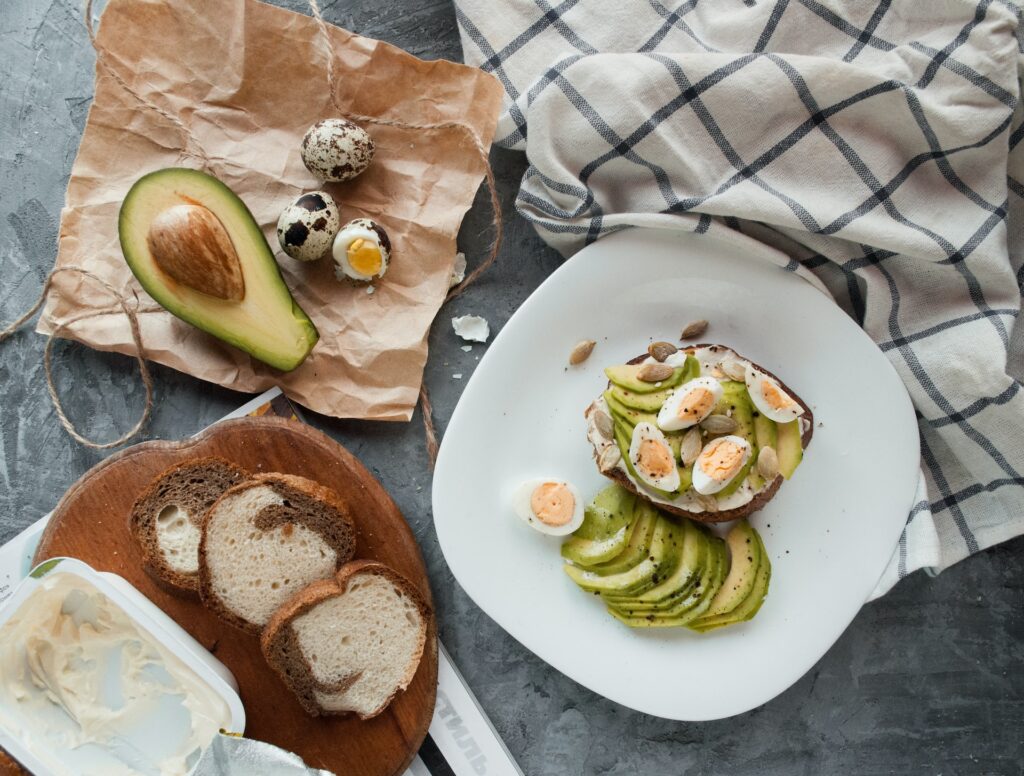
We should eat more fish (salmon, mackerel, sardines, anchovies), nuts, chia, and flax seeds. We must moderately consume soy, corn, and sunflower oil, almonds and cashew nuts, olive oil, and avocado. And reduce the consumption of butter, cream, cream, and fatty meat.
What is cholesterol?
Cholesterol is a waxy substance found in all the cells of our body. Cholesterol itself is a fat in our blood that we produce in the liver, but this substance is also found in some products that we consume, such as meat and dairy products. Cholesterol is necessary to produce vitamin D, hormones, and substances that help us process food.
It is found in our body in two forms: low-density lipoproteins (LDL), also called “bad cholesterol”, and high-density lipoproteins (HDL), also called “good cholesterol”.
LDL or “bad cholesterol”
Bad cholesterol is produced or increases in our body when we have a diet rich in saturated fats (animal fats that already contain LDL or vegetable fats such as coconut and palm oil, a sedentary life, and when excessively we consume alcohol.
Consequences of high LDL
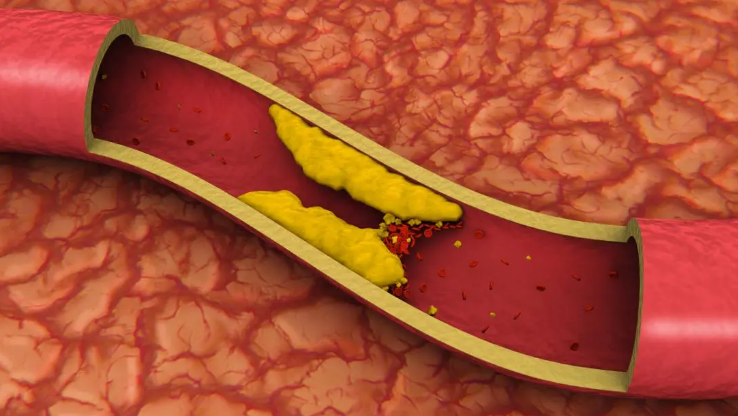
When the amount of “bad cholesterol” is bigger, in reaction with other substances in the blood, it forms a plaque, that is, a layer of hard fat that settles on the inside of the arteries and leads to the well-known disease of arteriosclerosis.
This plaque is also deposited on the arteries of the heart, making the heart rigid/hardened and with narrow spaces, preventing good blood circulation. As a result, the heart is no longer as flexible and the circulation no longer takes place as it should. These fats over time can cause narrowing of the veins and intravenous blockages.
The narrowing of the arteries of the heart causes a lack of blood in the heart muscle, which subsequently leads to a lack of oxygen in the heart tissue and over time to the death of the cardiac muscle fibers. If the problem is not solved, it leads to angina (chest pain), and later to a heart attack.
HDL or “good cholesterol”
HDL is a fat produced by our body with the aim of removing “bad cholesterol”, i.e. LDL, from the blood. This type of lipoprotein circulates through the blood, where it fixes low-density lipoproteins (LDL) and takes them to the liver, where they are processed and eliminated from the body.
Just as the production of “good cholesterol” depends on our consumption of unsaturated fats, to be healthy we must maintain a balance between LDL and HDL. In other words, we must choose to eat more unsaturated fats, and limit the consumption of saturated fats.
Conclusions
In the last 5 years, society has seriously oriented towards a healthy lifestyle. In this idea, people got closer to medicine, which is why some took cholesterol indicators too seriously and gave too little importance to a balanced diet and exercise, others excluded from the diet products necessary for the proper functioning of the body, etc.
Yet, the key to a healthy body lies in moderation, variety, and movement. Not only diet is important in controlling the fats in the body, but also exercise, especially since movement is the one that helps to burn the fats for energy instead of storing them in the body.
To take away:
- Saturated fats, especially those of animal origin, lead to an increase in “bad cholesterol”.
- Unsaturated fats lead to an increase in “good cholesterol”.
- “Good cholesterol” lowers “bad cholesterol”.
- Saturated fats are found in many products that we consume daily; for this reason, we must consciously reduce saturated fats and increase the consumption of products rich in unsaturated fats.
- Consuming good fats reduces the level of bad fats in the body.
Sources:
Gora Anna, 2022. Is saturated fat bad for you? In Live Science. Available at: https://www.livescience.com/is-saturated-fat-bad-for-you
Manetti Stefania, 2022. Facts about saturated fats. In Medline Plus. Available at: https://medlineplus.gov/ency/patientinstructions/000838.htm
Harvard Medical School, 2021. Know the facts about fats. In Harvard Health Publishing. Available at: https://www.health.harvard.edu/staying-healthy/know-the-facts-about-fats
Harvard T.H.Chan, 2022. Types of fat. In Harvard School of Public Health. Available at: https://www.hsph.harvard.edu/nutritionsource/what-should-you-eat/fats-and-cholesterol/types-of-fat/
Hjalmarsdottir Freydis, 2019. The 3 most important types of Omega-3 fatty acids. In Healthline. Available at: https://www.healthline.com/nutrition/3-types-of-omega-3#TOC_TITLE_HDR_9
Robertson Ruairi, 2020. Omega-3-6-9 fatty acids: a complete overview. in Healthline. Available at: https://www.healthline.com/nutrition/omega-3-6-9-overview
Mayo Clinic, 2022. HDL cholesterol: how to boost your „good” cholesterol. In Mayo Clinic. Available at: https://www.mayoclinic.org/diseases-conditions/high-blood-cholesterol/in-depth/hdl-cholesterol/art-20046388
Mayo Clinic, 2021. High cholesterol. In Mayo Clinic. Available at: https://www.mayoclinic.org/diseases-conditions/high-blood-cholesterol/symptoms-causes/syc-20350800
Medline Plus, 2022. LDL: the „bad” cholesterol. In Medline Plus. Available at:: https://medlineplus.gov/ldlthebadcholesterol.html